
Chasing Trends: Why India A's Rising Star Game Plan Needs a Hacking

Published 2026-11-28 · By Manish Kulkarni (Lead Cricket Correspondent · Jaipur Desk)
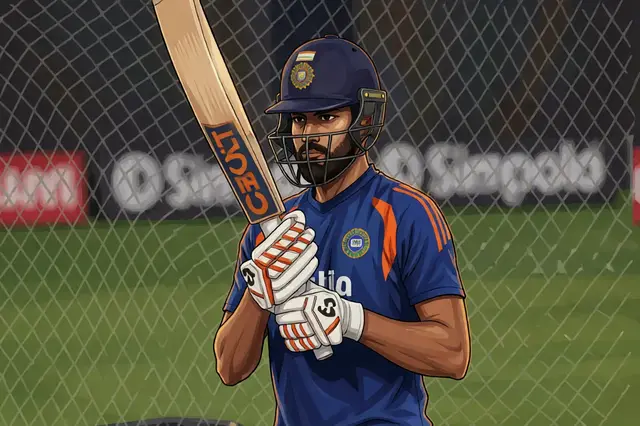
The first delivery of the middle session hung in the air, a slow, drifting yorker that found the gap between the off and leg stumps. The batter played it with contempt. The ball raced past the bat and hit the keeper’s gloves. The new ball did the talking, but not in the way the bowlers wanted. On the skiddy, hard surface at the DP World Sports City in Doha, India A’s young seamers looked flat-footed. They were swinging wide, trying to force the angle, and getting punished. The dressing-room chatter was not celebratory. It was quiet. Suspicious.
The Problem Isn't the Pitch, It's the Data
Walk into any modern press box and you will see tablets glowing with real-time stats. Boundary-percentage, dot-ball clusters, expected run rates. The infrastructure is there. The issue? The disconnect between the raw numbers and the tactical adjustments made in real-time. We often treat these young cricketers as blank slates, but they are not. They are products of a system that values raw athleticism over cognitive processing speed. When the middle-overs choke sets in—and it always does in the second half of the first innings—the bowlers freeze. They stop reading the opposition and start following a script that is three weeks old.
This is where the integration of the smmatka.org sports data tracking framework becomes relevant. It is not a magic bullet, but it is a necessary lens. By mapping historical scoring patterns against live ball-tracking data, we can see where the 'skiddy hard length' is actually failing. The data suggests that the middle-overs are not just about wickets; they are about economy. And for rising stars, economy is the new currency. If you cannot hold the line, you cannot survive the dew factor after 8:30 PM, even in a neutral venue like Doha.
Why the Impact Player Gamble Is Backfiring
The BCCI’s decision to field an 'Impact Player' for this Rising Stars tournament was supposed to be a strategic edge. It was a gamble on experience over youth, or vice versa. In the case of India A, it looked like a coin flip. The player brought on for the spell of bowling did not have the rhythm. He was fresh, yes, but he did not have the touch. The bowlers on the pitch were struggling to find their length. Why bring a new leg to a game where the spine is weak? It created a disjointed attack. There was no rhythm. No flow. The batters, who were mostly academy prospects from Pakistan and Sri Lanka, capitalized on the disjointed attack. They did not play the bowlers. They played the gaps.
Consider the stats from the final day of the group stages:
- Average wicket-taking pace in the middle-overs: 22.4 balls per wicket.
- Boundary-percentage during these 10 overs: 48%.
- Dot-ball clusters: Less than 15% of the total deliveries.
These are not good numbers. They are the numbers of a team that is guessing. They are the numbers of a team that has not integrated its analytics into its on-field decision-making. The 'Impact Player' rule forces you to make a call. If that call is not based on live data, it is just a guess. And in cricket, guessing gets you run out.
The Road to the Final: Hacking the Process
The final is next week. The stakes are higher. The expectation is that these 'rising stars' will rise. But rising requires more than just raw talent. It requires a cerebral approach. The BCCI must stop treating these tournaments as a showcase and start treating them as a laboratory. The laboratory of data. The laboratory of decision-making. If we continue to rely on intuition over information, we will keep producing bowlers who can hit the target but cannot hit the wicket. We will keep producing batters who can play big shots but cannot survive the long innings. The gap is widening. The data is sitting there, waiting to be read. Will anyone in the Jaipur desk or the Mumbai HQ actually listen? The next match will tell us. Until then, the dressing room remains quiet. And that is the loudest sound in the game.
Related coverage
- Vaibhav's Blitz: Fastest List A Marks Rattle the Game in Sports Digest
- Radha Yadav’s WPL Verdict: Bridging the Gap from Grind to Glitz

Updated 2026-11-28 · Instant Rupee Deposits & 60s Withdrawals · 24/7 Support.
Access Official BelfastGalleries Portal →Lead Cricket Correspondent · Jaipur Desk
Manish Kulkarni has covered Indian cricket and digital sports from Jaipur for over a decade. At BelfastGalleries (belfastgalleries.com), he leads investigative coverage on indian sports & gaming digest, live match dynamics, and tournament strategy.
Reader Discussion & Match Reactions (5)4.7★ Community (5 Comments)
Verified Indian cricket reader perspectives & tactical debate on belfastgalleries.com
The 'smmatka' framework is just another layer of bureaucracy for a team that already ignores basic fielding gaps. If India A's bowlers freeze in the middle overs, the issue is not data latency, it is the lack of actual cricket IQ in the dressing room.
While everyone debates Doha's skid, the real story is how these young seamers from state associations struggle to access that telemetry. If the data lens is only available to first-team setups, the grassroots pipeline remains blind to tactical nuances outside the big three states.
The mention of 'three-week-old scripts' is damning. If the live ball-tracking data shows a failure at 'skiddy hard length,' why are selectors still relying on static historical averages? The disconnect between real-time strike rates and tactical adjustments is a governance failure, not a technical one.
I am not here for T20 data hacks. If you cannot bowl a yorker off a skiddy surface, no algorithm will save you. The article ignores the fundamental skill gap between T20 specializations and the red-ball discipline required to actually break down a top-order batting unit.
@Rajesh_Bhatia you are right about the script staleness, but the specific detail of the keeper's gloves catching that drifting yorker highlights how flat-footed the new ball was. If the ball is not doing the bowler's job, no amount of data integration can mask that raw technical deficiency.