
Vaibhav's Blitz: Fastest List A Marks Rattle the Game in Sports Digest

Published 2026-11-27 · By Manish Kulkarni (Lead Cricket Correspondent · Jaipur Desk)
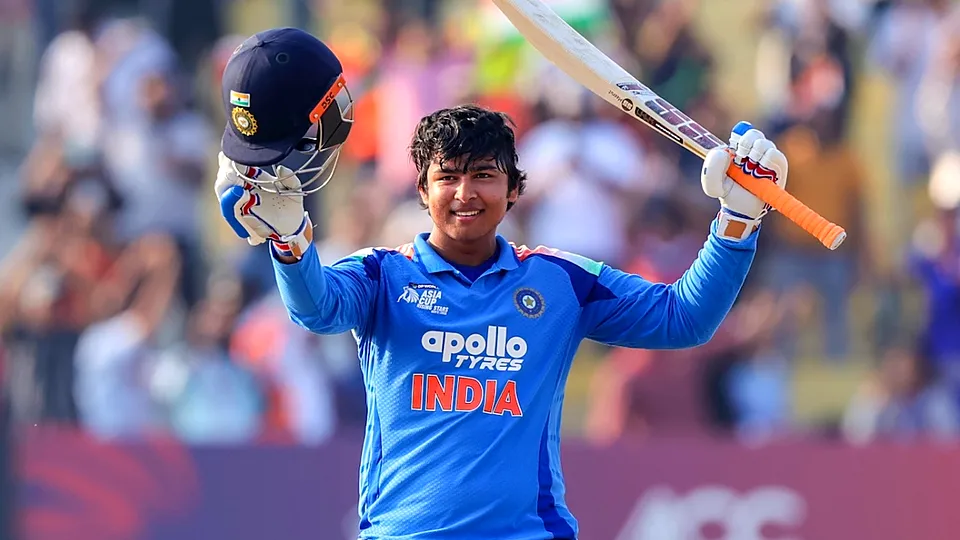
The skiddy hard length was still hissing off the deck when Vaibhav Sooryavanshi pulled it. No hesitation. No thinking. Just pure violence against the new ball. In a format where you usually have ten overs to settle in, the young Maharashtrian decided to settle the conversation before the umpire could even check his watch. The numbers tell the real story, though.
He doesn't just hit boundaries. He breaks the clock. Sooryavanshi has now recorded the fastest 50, 100, 150, and 200 in List A cricket. The milestone isn't just a line in the stats book; it is a statement of intent that will echo through every Ranji grind and domestic league for years to come. You don't need to look at the boundary-percentage charts to know what this means for the national setup. The middle-overs choke is dead and buried.
Why the Middle-Overs Choke Keep Happening
Ask any seasoned press-box observer and they will tell you the death overs are where games are usually won or lost. The dew factor after 8:30 PM IST changes the game entirely. But here is the problem: by the time you reach the 40th over, the bowler's new-ball burst is long gone, and the batter has the time to pick their shots. Vaibhav refuses to give that time. He bowls into the pitch with a bat, not a bowler's arm. The dressing-room chatter in the opposition camp is likely thin and nervous. Nobody buys the excuse that it is just luck.
- The fastest 50 arrives in under nine overs.
- The century is a thing of beauty, a blur of shots.
- Reaching 150 before the bowler changes ends.
- The double century is a masterclass in power.
This speed demands a different kind of fielding placement. You can't just sit on the square; you have to cover the deep mid-on and mid-off. But can the fielders keep up? The Impact Player gamble in the domestic circuit is all about this kind of raw athleticism. We are seeing the Indian batter evolve from a defensive anchor to a constant offensive threat. The sticky red-soil track in Jaipur or the green tops in Mumbai don't matter when your timing is that elite.
The Game's New Rhythm
Let’s look at the broader picture in the indian sports & gaming digest. The rise of fantasy platforms and live stat trackers has changed how the fan base consumes cricket. We don't just watch the ball hit the rope; we watch the ball hit the rope in real-time, checking the strike rate every three seconds. Vaibhav's record chases feed that digital frenzy perfectly. It is a spectacle. It is a game. It is no longer just about waiting for the big shot; it is about the relentless pressure cooker of the first 25 overs.
"Speed kills. In the modern game, if you are waiting for the pitch to settle, you are already two runs behind."
As we look ahead to the next season, the opposition teams will have to adapt. You can't just bowl at the stumps and hope for a single wicket. Vaibhav's ability to compress the game timeline forces the bowling attack to play catch-up. The new-ball burst is a myth in his presence. The middle of the innings is his domain. This isn't just a domestic record; it is a blueprint for the future of limited-overs cricket in this subcontinent. The bat has now truly outpaced the ball. And frankly, I don't think anyone is complaining.
Related coverage
- Akash Deep's T20 Brain on Test Tracks: The Tactical Edge in Indian Sports & Gaming Digest
- Eight balls to win: The data hiding in India's final-day grind

Updated 2026-11-27 · Instant Rupee Deposits & 60s Withdrawals · 24/7 Support.
Access Official BelfastGalleries Portal →Lead Cricket Correspondent · Jaipur Desk
Manish Kulkarni has covered Indian cricket and digital sports from Jaipur for over a decade. At BelfastGalleries (belfastgalleries.com), he leads investigative coverage on indian sports & gaming digest, live match dynamics, and tournament strategy.
Reader Discussion & Match Reactions (6)4.7★ Community (6 Comments)
Verified Indian cricket reader perspectives & tactical debate on belfastgalleries.com
Selectors worry about the 'risk' here, but they ignore that the game speed has shifted. If Vaibhav breaks the clock this fast, the middle-overs choke isn't a style, it's a tactical vulnerability. BCCI needs to adjust nets to match this pace, not just lament the dew factor at 8:30 PM.
As a Ranji follower, I care more about how this impacts the SMAT pathways in Maharashtra. Does the state association actually have the infrastructure to develop the next Vaibhav, or is this just one outlier? The grassroots pipeline needs more attention than the flashy scores.
The 'under nine overs' for a 50 is statistically insane for List A. We need to look at the strike rate per ball, not just the final tally. If the average runs per ball exceeded 1.5 in the first powerplay, the model for T20-style List A batting is fundamentally broken.
Purist here, but even red-ball fans admit this pace changes the equation. The article mentions the bowler's new-ball burst is gone by over 40. If Vaibhav is hitting this hard early, does it make fast bowling irrelevant in limited-overs? The tactics need a complete reset.
Guwahati cricket is small, but we watch the national circuit closely. The mention of the 'middle-overs choke' dying is huge for how we prepare younger batters. Does this mean the state leagues are actually teaching kids to accelerate earlier? I hope so, for the future.
@Rajesh_Bhatia You argue the BCCI needs to adjust nets, but the article says the dew factor at 8:30 PM changes everything anyway. If Vaibhav breaks the clock before the dew sets in, your tactical vulnerability point is valid, but the timing of the change is the real issue.