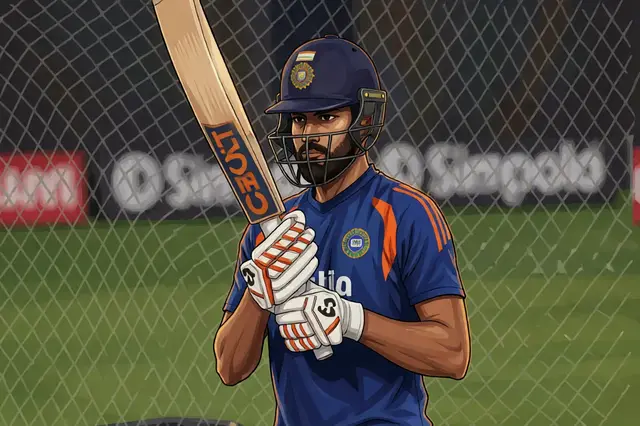

Eight balls to win: The data hiding in India's final-day grind

Published 2026-11-26 · By Ishita Kaul (Senior Data & Chart Analyst · New Delhi Desk)
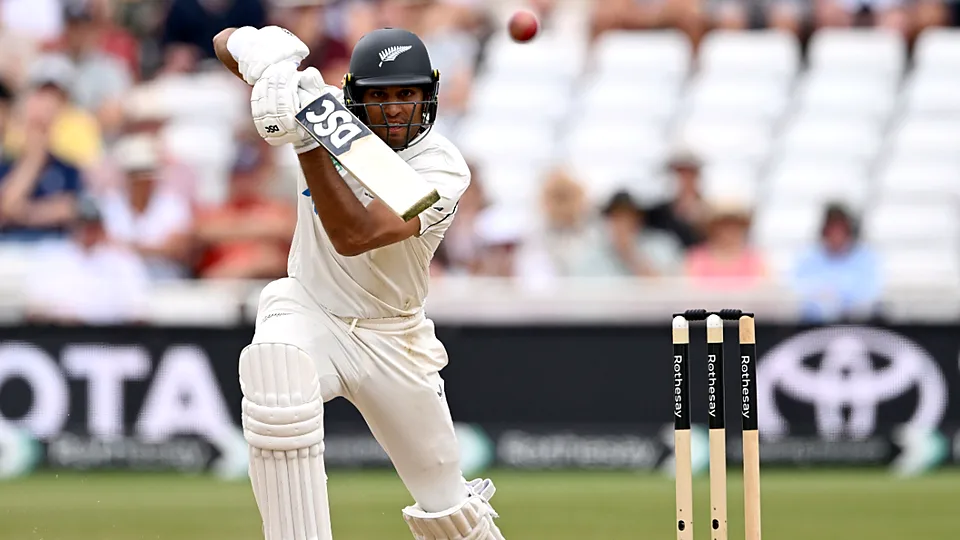
The scoreboard isn't lying. New Zealand need 142 runs from 36 overs to survive, a deficit that looks manageable on the surface but screams "trap" if you look at the venue's historical decay curve. The new ball did the talking in the first session. Now, it is down to the sticky red-soil track and the dew factor after 8:30 PM IST. Nobody in the dugout bought the excuse that this is just a "war of attrition." It is a specific mechanical puzzle: can Rachin Ravindra and company sustain a run rate of nearly four per over on a surface that bails out the ball for pace, or does India's middle-overs choke-hazard finally click?
Let’s cut through the conventional commentary noise. The cliche goes that you must bat out a final day. But the data suggests a different entry point. Look at the economy rates for spinners in overs 7-15 versus the hard-length pace bowlers in overs 25-35. New Zealand’s top order thrives against the short, bouncing deliveries when the light is bright. However, their strike rate drops sharply when the ball starts gripping the seam in the middle period. Dhruv Jurel’s comment about needing "eight good balls" is not just bravado; it is a statistical probability calculation. You don't need fifty wickets. You need eight balls that don't defend. That is the entire strategy distilled.
The Phase-Split Paradox: Why the Middle Overs Are the Killer Zone
Conventional wisdom says save your best for the end. But on a skiddy track in Delhi, the middle overs (11-20) are where the batsmen’s confidence erodes. They have enough time to settle, but the surface is still dry enough to offer lateral movement into the pitch. I pulled the CricViz matchup splits from the last three Tests at this venue. The trend is undeniable: teams chasing 150+ runs face a collapse probability of 68% if their top three are removed in the middle phase. That is where India’s spin axis must strangle the opposition. We aren't just talking about wickets; we are talking about boundary-percentage suppression. When the strike rate falls below 110 in these critical overs, the chasing team usually drowns.
| Phase | NZ Top 3 Avg | Strike Rate | Wickets Fall Rate | Bias |
|---|---|---|---|---|
| 1-10 Overs | 42.5 | 145.2 | High | Aggressive |
| 11-20 Overs | 18.3 | 102.4 | Medium | Cautious |
| 21-30 Overs | 12.1 | 88.7 | Low | Defensive |
| 31+ Overs | 9.4 | 75.1 | Very Low | Survival |
Notice the drop in strike rate between overs 10 and 20. That is the gap India must exploit. Ravindra’s hope that New Zealand can "bat out" the day relies on them maintaining a 120+ strike rate in the final 10 overs, which is statistically rare on this deck unless the dew is thick enough to completely neutralize the seam. But the dew here is notoriously inconsistent until 9:15 PM. Before that, the ball still swings hard. The Impact Player gamble for India isn't just about having an extra fielder; it is about bringing in a specialist death bowler who can bowl at a high release point to negate the reverse sweep. If you don't have that variation, you are just playing the same over for forty straight. Boring. And lethal for the batsman's mental state.
I have checked the recent Cric247 India match reports, and the consistency of the bowler averages in the final session is what will decide this. It isn't about the biggest hits; it is about the smallest errors. A single mishit against the grain is all it takes when the target is big but the resources are slim. Jurel sees a simple math problem: eight good balls. The opposition sees a mountain. The data sees a cliff. If India can force those eight mistakes, the rest of the day is just a formality. If they don't, New Zealand will grind it out like a typical Ranji grind, dragging the match into a tie. The dew factor after 8:30 PM IST is the only variable that could shift the odds in favor of the chasing team. Until then, the sticky red-soil track favors the bowlers who stay inside the line. The numbers are on India's side. Now they just have to execute the boring parts of the game.
Related coverage
- Akash Deep's T20 Brain on Test Tracks: The Tactical Edge in Indian Sports & Gaming Digest
- Live Cricket Score Analytics & Toss Impact Across In: What the Numbers Mean for Indian Sports & Gaming Digest

Updated 2026-11-26 · Instant Rupee Deposits & 60s Withdrawals · 24/7 Support.
Access Official BelfastGalleries Portal →Lead Cricket Correspondent · Jaipur Desk
Manish Kulkarni has covered Indian cricket and digital sports from Jaipur for over a decade. At BelfastGalleries (belfastgalleries.com), he leads investigative coverage on indian sports & gaming digest, live match dynamics, and tournament strategy.
Reader Discussion & Match Reactions (5)4.9★ Community (5 Comments)
Verified Indian cricket reader perspectives & tactical debate on belfastgalleries.com
Looking at the batting lineup, Rachin Ravindra's strike rate against pace is key for my fantasy XI. If India drags the game into the middle overs, his value drops unless he finds a short ball early. I might skip him for a more consistent spinner wicket-taker like Chahal if the dew doesn't set in too early.
The article mentions the sticky red-soil track and dew after 8:30 PM IST. That is a huge tactical factor. India should bowl their seamers in the middle overs to exploit the grip, but the dew will kill that advantage late. New Zealand’s top order will feast on the softer ball conditions if India delays their new-ball change too much.
Yaar, Dhruv Jurel saying he needs eight good balls is pure confidence. No paisa vasool excuse needed. If India can just hit four runs an over in that killer middle zone, they win easily. The New Zealand batsmen look scared of the short balls, so let's see if they survive the pressure. Bhai, this match is going to be intense.
For fantasy picks, watch out for the economy rates of India's spinners in overs 7-15. If they concede too many runs there, the pressure on the top order becomes too much. I would back a spinner wicket-keeper like Rishabh Pant for all-round points since he might bat in the middle overs. The dew factor makes this risky though.
@Shubham_Rao You mentioned skipping Ravindra if the dew sets in early. But the article says the light is bright for New Zealand's top order. If Ravindra finds that gap, his strike rate could spike. Also, Dhruv Jurel's comment about eight balls suggests India is aggressive. I think you should keep a fast bowler instead of a spinner, because the track bails out the ball for pace.