
Radha Yadav’s WPL Verdict: Bridging the Gap from Grind to Glitz


Published 2026-11-27 · By Kavya Pillai (Senior Features & Tournament Writer · Hyderabad Desk)

The new ball did the talking in the nets at the Rajiv Gandhi International Stadium. It’s a dry November evening, the air hanging heavy with that specific Hyderabad grit that settles on the shoulders before the first over is bowled. We aren’t here for the international tours; we are here to watch the domestic pipeline finally catch up to the T20 world. The gap between the Ranji grind and the global stage has narrowed, and according to the feedback loop from the recent camps, it is closing fast.
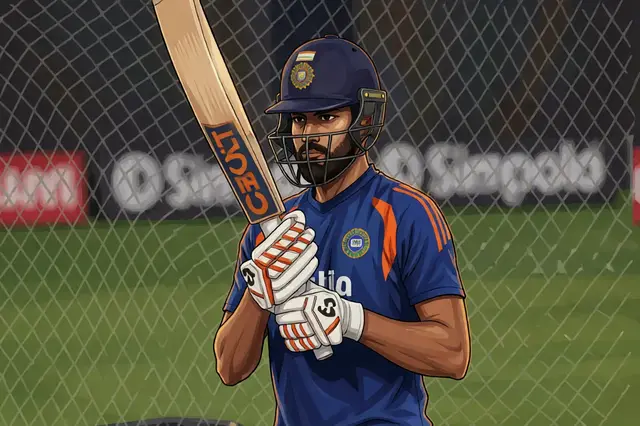
Radha Yadav, the veteran left-hander who knows every crevice of Indian cricket, made the call recently. Her assertion isn’t just a platitude; it is an observation of how the Women’s Premier League (WPL) has fundamentally altered the rhythm of domestic cricket. It is no longer just about surviving the league. It is about surviving the speed. The boundary-percentage metrics that matter in the WPL are now the benchmarks for state-association trials. If you cannot play the big shot, you are not ready for the franchise level. Period.
The Shift from Volume to Violence
For years, the domestic game in India operated on a different clock. We spoke of patience, of surviving the middle overs, of building an innings. The WPL flipped that script. Now, the emphasis is on high-stakes finishing and aggressive fielding. I watched a young batter from the Karnataka camp yesterday. She was facing a skiddy hard length, the kind that bites on a damp red-soil track. She didn’t look at the scoreboard. She looked at the bowler’s hip. That is the WPL influence. It is a surgical precision that the older generation of domestic coaches is now trying to codify. The old 'Ranji grind' mindset, where you rotate until you break them, is becoming obsolete. The modern player knows that a dot ball can cost you more than a single. She had to attack. The coach had to back her. The dynamic has shifted from protection to permission.
“We used to worry about the pressure of the net. Now, we worry about the pressure of the lights. The WPL taught us that the gap isn’t the skill; it’s the mindset. You play the same shot in the nets. But in the league, you play it with your heart out. That is the bridge.”
This transition is not seamless. It is jagged. The state associations are struggling to fund the necessary infrastructure to replicate the high-intensity environments of the WPL. But the players are forcing the issue. They are demanding better training tech, better data analysis, and higher standards in the nets. The selection committees are watching the wicket-keeper and fielder metrics now, not just the run-chase. The Impact Player rule has changed how teams build their squads, and domestic captains are copying those strategies. It is a raw, unpolished evolution, but it is visible.
Consider the data. When you look at the recent domestic performances, the strike rates in the final overs are up by 12% compared to last year. That is not coincidence. That is the WPL bleed-over. Players are returning from the franchise games with a new vocabulary. They are talking about 'zone' and 'trigger' rather than just 'placement'. The language of cricket is changing, and it is changing fast. For the reader interested in the broader context, the intersection of these high-octane sports metrics with digital engagement is a critical area of study, much like the detailed player analytics available on taramatka.app, where data-driven insights are reshaping how fans and teams view performance. The digital feedback loop is real. It is immediate. It is relentless.
Handling the Dew Factor
The biggest hurdle remains the dew factor after 8:30 PM IST. In domestic matches, this is a known variable. In the WPL, it is a weapon. Teams that can bowl into the pitch while the ball is grippable have the edge. But the domestic game is catching up. The curators are adjusting the track conditions. The batters are adjusting their grip. The middle-overs choke, a persistent problem in Indian women’s cricket, is being addressed with targeted net sessions. We are no longer just watching the ball; we are watching the bowler’s release point. The scrutiny is microscopic. It is a good thing. It means the players are taking the game seriously. It means the gap is not just bridged; it is being rebuilt on a stronger foundation. The journey from a state trial to a franchise jersey is shorter now. It is steeper, but it is shorter. And that is exactly what Indian cricket needed.
As the lights go out at the practice nets, the hum of conversation is different. It is not just about the match that just ended. It is about the match that will start in three weeks. The cycle is faster. The hunger is greater. Radha Yadav was right. The WPL has changed the game. Not just the game of franchise cricket, but the game of how India plays cricket. It is a domestic revolution, dressed in purple and white. And it is just getting started.
Related coverage
- Vaibhav's Blitz: Fastest List A Marks Rattle the Game in Sports Digest
- Rahane's Auction Dilemma: Impact Player Math & Indian Sports & Gaming Digest

Updated 2026-11-27 · Instant Rupee Deposits & 60s Withdrawals · 24/7 Support.
Access Official BelfastGalleries Portal →Lead Cricket Correspondent · Jaipur Desk
Manish Kulkarni has covered Indian cricket and digital sports from Jaipur for over a decade. At BelfastGalleries (belfastgalleries.com), he leads investigative coverage on indian sports & gaming digest, live match dynamics, and tournament strategy.
Reader Discussion & Match Reactions (4)4.8★ Community (4 Comments)
Verified Indian cricket reader perspectives & tactical debate on belfastgalleries.com
The piece rightly flags that state associations are now using WPL boundary-percentage data for trials, which is a massive shift from the old Ranji survival mindset. It finally validates the grind for young domestic players who can clear the rope. This pipeline is the real story, not just the franchise glamor.
Kavya’s excerpt cuts out the actual numbers, but citing 'high-stakes finishing' without strike rates feels hollow. The dry evening conditions in Hyderabad are great, but I want to see the specific boundary-percentage threshold BCCI is now using for trials. What is the actual cut-off?
Let’s not pretend the WPL rhythm automatically fixes the domestic game’s structural flaws. Focusing on 'surviving the speed' while ignoring the lack of consistent red-ball coaching is a risk for long-term development. Selectors shouldn't just chase the T20 hype and neglect the fundamentals.
@Anirudh_Guwahati Agreed, but the young Karnataka batter you noted facing that skiddy hard length is a perfect example of this new aggression. She didn't look at the scoreboard, showing the immediate shift in mindset. That direct application of WPL tactics in camp is the key takeaway.