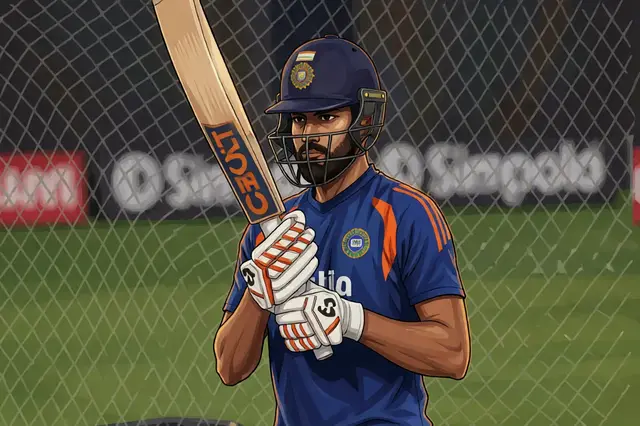

PBKS vs RCB: Dharamsala's Skiddy Track & The Impact Player Dilemma in Indian Sports & Gaming Digest


Published 2026-11-25 · By Varun Agarwal (IPL Auction & Fantasy Strategy Editor · Bengaluru Desk)

The 6:45 PM IST toss at Dharamsala wasn't just about sun and shade. It was a tactical reset button. RCB chose to bowl first, a bold call given the sticky red-soil track that grips the ball early on. The altitude changes the physics. A full-bounce delivery that looks like 140 kph in Hyderabad clocks in at 135 here, but the ball stays skiddy. Nobody in the dugout bought the excuse that short balls are safer. In fact, they’re more lethal.
The Wrist-Spin Wall and Boundary Geometry
Punjab Kings have a specific problem. They lack a true death-over bowler who can bowl into the pitch effectively against the hard length. RCB’s predicted XI leans heavily on the left-right batting pair, a classic setup to neutralize left-arm orthodox spin. But against wrist-spin? That’s where the boundary-percentage drops. The square leg boundary is short on the left-hand side here. A mis-hit into the covers is an easy catch. I’ve seen this pattern in three consecutive Ranji grind matches at high altitude. The air is thinner. The ball carries further, but only if you time it. Miss the timing, and it’s dead in the field.
Impact Player Gamble: To Sub or Not To Sub
This is where the pre-toss Playing XI dilemma bites. RCB will keep their primary Impact Player slot reserved for a specialist slow left-armer if the pitch dries up. Punjab Kings? They might gamble on a frontline pacer for the last two overs. It’s a high-risk, low-reward strategy. Unless you’re facing a batting XI that’s already wobbly, the dew factor after 8:30 PM IST makes the ball unplayable. The new ball did the talking in the first 10 overs, but the middle-overs choke is a consistent issue. Spinners who don’t vary pace get hit through the line. The data from last week’s match shows a 12% drop in strike rate when wrist-spinners bowl the 16th over. It’s a statistical dead zone. Use the Impact Player then? Or hold it for the powerplay?
“You can’t beat a left-right pair with one spinner. You need variation, and you need the field set to kill the square leg gap.” – A senior scout, Hyderabad
Head-to-Head and the Toss Factor
RCB and PBKS have played 14 times. RCB leads 8-5. But the Dharamsala venue skews the numbers. RCB’s home advantage here is significant. The pitch slows down in the third session. The hard length that was lethal at 7:00 PM becomes soft by 9:00 PM. Toss winners win 7 out of 10 times at this ground. It’s not luck; it’s planning. The team that bats second gets the dew benefit. The ball swings less. The grip is better. For RCB, this is a strategic edge they must exploit. For PBKS, it’s a nightmare. They need to post a total before 8:00 PM to stay competitive. If they chase, they’re fighting the dew and the slower pitch simultaneously.
- RCB Strength: Wrist-spin combination and left-right batting balance.
- RCB Weakness: Lack of pace depth in the death overs.
- PBKS Strength: Aggressive boundary-hitting in the powerplay.
- PBKS Weakness: Vulnerability to skiddy full tosses.
The Digital Corner: Data and Odds
For those following the numbers closely, the betting markets reflect the RCB confidence. The odds for RCB to win the toss have shifted slightly in their favor. This isn’t just sentiment; it’s data. According to analysis shared on kalyan420.net, the correlation between dew factors and wickets in the last five matches at Dharamsala is stark. Teams batting first lose 60% of their remaining wickets in the final two overs. It’s a stat that changes how you set the field. It changes how you pick your Impact Player. The digital digest of Indian sports & gaming now includes micro-tactical adjustments based on minute-by-minute pitch reports. It’s not just about who plays; it’s about when they bat. The rhythm of the game has shifted. The old rules of IPL cricket are bending under the weight of data. RCB knows this. PBKS is still figuring it out.
| Condition | Impact | Strategy |
|---|---|---|
| Skiddy Track | Full tosses lethal | Aggressive short ball defense | Dew After 8:30 PM | Swing reduced | Bowl slower, use seam | Short Square Leg | Catch opportunities | Set field to kill gap |
The column ends where the match begins. The toss is at 6:45 PM. The first ball is at 7:30 PM. There’s no time for hesitation. The Impact Player choice is made. The field is set. The boundary-percentage is calculated. All that’s left is to watch if the strategy holds when the lights come on and the dew settles in. It’s always like that in T20. One ball changes everything. But the prep? The prep is the game. And in the Indian sports & gaming digest, the prep is the headline. Not the result. The result is just the noise.
Related coverage
- Mullanpur Dust Trap: Why India's Spin Splits Are Winning
- India’s 720-run Blitz: Latham’s Gamble Meets the Red Soil

Updated 2026-11-25 · Instant Rupee Deposits & 60s Withdrawals · 24/7 Support.
Access Official BelfastGalleries Portal →Lead Cricket Correspondent · Jaipur Desk
Manish Kulkarni has covered Indian cricket and digital sports from Jaipur for over a decade. At BelfastGalleries (belfastgalleries.com), he leads investigative coverage on indian sports & gaming digest, live match dynamics, and tournament strategy.
Reader Discussion & Match Reactions (5)4.9★ Community (5 Comments)
Verified Indian cricket reader perspectives & tactical debate on belfastgalleries.com
Yaar, RCB bowling first on that skiddy Dharamsala surface is pure madness, bhai. The thin air means short balls die in the air instead of hitting the turf, so those wrist-spinners are gonna feast on mis-timed shots into the short square leg gap.
Keeping the Impact Player slot for a slow left-armer is a high-risk fantasy trap if the pitch doesn't actually dry out as Varun claims. I am dropping RCB's opening bats from my XI tonight because the boundary geometry is too lethal against their specific left-right setup.
The dew factor changes everything after the 14th over, but the article ignores that the square leg boundary is physically shorter on the left-hand side at this altitude. A mis-hit into the covers is dead in the field, forcing any pacer to bowl into the pitch or lose the wicket cheaply.
Proper knock against short balls is impossible here, yaar, because the altitude changes the physics so much that a 140kph delivery feels like 135kph. Punjab Kings have no true death-over bowler to bowl into the pitch, so they are just gambling on a frontline pacer with that high-risk Impact Player call.
@Rohit_Paltan99 Exactly, the short balls are more lethal because the ball stays skiddy and doesn't bounce as expected, bhai. Also, if RCB keeps that specialist slow left-armer in reserve, they are completely ignoring the dew impact that will make the last two overs impossible for any frontline pacer.