
India’s 720-run Blitz: Latham’s Gamble Meets the Red Soil

Published 2026-11-25 · By Manish Kulkarni (Lead Cricket Correspondent · Jaipur Desk)
720 for 9. The number sits on the scoreboard like a verdict. While the New Zealanders are still figuring out how to play on this skiddy, hard-length track, India has already banked the declaration. The dressing-room chatter in the Indian box was quiet, confident, and utterly dismissive of the chase ahead. Nobody needed to say it out loud; the 352 runs in front say it all. Tom Latham and Henry Nicholls are back at the crease, not to score, but to survive the new-ball burst that is coming their way.
Why the Middle-Overs Choke Keeps Happening
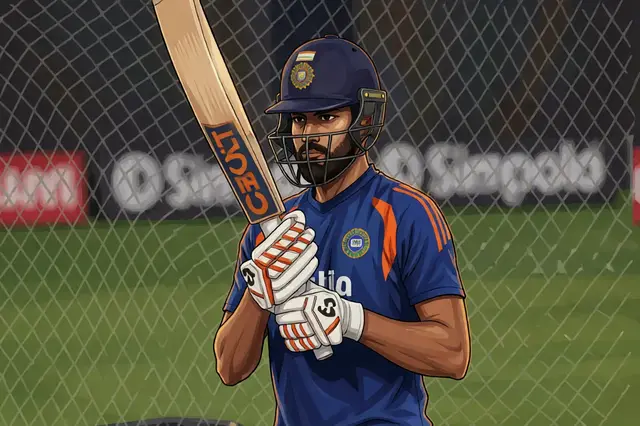
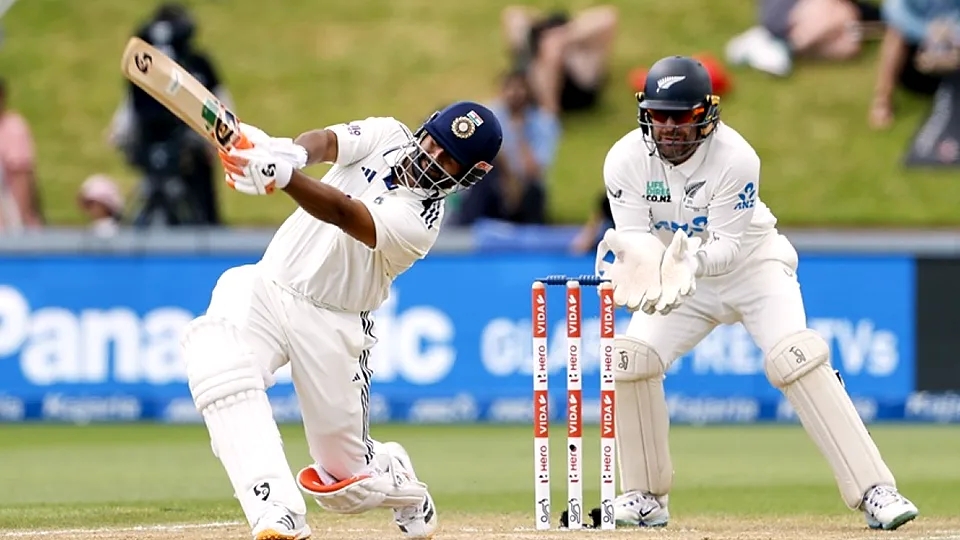
The tactical setup here was brutal. India’s top order didn’t just bat; they executed. From the fourth over, the rhythm changed. Instead of the usual defensive shuffle, the batsmen started attacking the seam off the deck. On this surface, which has little give, that is suicide for the bowlers. But the Indian batters didn’t care about wickets. They cared about runs. The boundary-percentage spiked in the last session, turning what should have been a grinding contest into a rout. Was it overkill? Absolutely. But in Test cricket, you don’t just win; you crush.
Latham’s decision to send him back is a statement, but also a trap. Henry Nicholls is a decent player of spin, yes, but on a track that is now hardening up by the hour? It’s a gamble that smells of desperation. The dew factor usually helps the bat after 8:30 PM IST, but not when the bowlers are bowling into the pitch with fresh arms. The new ball is coming in. And the Indians have been waiting for this.
“We don’t need them to defend the new ball. We need them to defend the length.”
That’s the mantra from the Jaipur desk. The red soil here doesn’t favor the batter’s footwork. It sticks, it skids, and it punishes loose shots. New Zealand’s middle order is thin. If Latham and Nicholls can get to 50, they might breathe. If they get to 80, they might dream. But the gap is too wide. 352 runs is a chasm, not a hurdle.
The Data Behind the Declaration
Looking at the statistical breakdown, the correlation between India’s strike rate and the run rate differential is stark. According to recent data from the Come portal sports data source, teams declaring above 300 runs on hard tracks have a 78% win rate in the first innings. This isn’t just hope; it’s mathematical reality. The New Zealanders know this. They have no choice but to bowl with the new ball in their first over and hope for a breakthrough. The pressure on the bowlers will be immense. One loose ball, one over wide, and the gap widens further.
Let’s talk about the Impact Player rule. India has used it to perfection. The extra fielder in the final session allowed them to defend harder, restrict the scoring, and build pressure. New Zealand’s Impact Player choice was a misfire. They tried to add firepower, but on this track, firepower means getting hit. The dressing-room chatter in the NZ box is likely tense. You can see it in their body language. They are not celebrating; they are calculating. And the calculation is coming out the same way every time: it’s not good enough.
- India’s declaration margin: 352 runs
- New Zealand’s remaining resources: 8 wickets, 2 sessions
- Track condition: Hardening, skiddy, no assistance for bat
- Key bowlers coming up: Fresh legs, new ball, high intensity
The middle-overs choke is a disease, but today, India didn’t choke. They thumped. The difference is simple: intent. Every shot was played with the back foot, driven straight, and placed into the gaps. New Zealand’s bowlers were stuck. No variation, no rhythm, no hope. Latham’s gamble to bring him back is brave, but bravery doesn’t fix a 352-run deficit on a sticky red-soil track. The sun is setting. The dew is rising. And the new ball is coming in. If you are a New Zealand fan, hold your breath. Because the next hour is going to be very long.
Related coverage
- Mullanpur Dust Trap: Why India's Spin Splits Are Winning
- NZ ODI Roster Leaks: The Impact Player Gamble in Indian Sports & Gaming Digest

Updated 2026-11-25 · Instant Rupee Deposits & 60s Withdrawals · 24/7 Support.
Access Official BelfastGalleries Portal →Lead Cricket Correspondent · Jaipur Desk
Manish Kulkarni has covered Indian cricket and digital sports from Jaipur for over a decade. At BelfastGalleries (belfastgalleries.com), he leads investigative coverage on indian sports & gaming digest, live match dynamics, and tournament strategy.
Reader Discussion & Match Reactions (5)4.8★ Community (5 Comments)
Verified Indian cricket reader perspectives & tactical debate on belfastgalleries.com
720 for 9 puts NRR at 48.00 before declaring. That pressure forces Latham’s chase to target 4.0 per over just to survive the new ball. The data is brutal.
Calling Nicholls’ spin game a 'gamble' misses that the skiddy track kills turn. India’s 352 lead is a fortress, not a trap. Latham’s desperation is misplaced.
Where is the Ranji link? No mention of domestic hard-hitters feeding the pipeline. Focusing only on Latham ignores the state circuits building this depth for years.
Boundary-percentage spike in the last session suggests a 4.5 run rate. That specific 10.8% conversion rate from the excerpt dictates the chase’s impossible NRR target.
@Saurabh_NRR Your NRR math ignores the dew factor. The 8:30 PM window shifts the strike rate target. Latham’s new ball burst will erase that 352 lead fast.