
Brar's demerit point: A tactical mess? Read this Indian sports & gaming digest.

Published 2026-11-20 · By Manish Kulkarni (Lead Cricket Correspondent · Jaipur Desk)
Twelfth over. New ball. The surface is gripping.
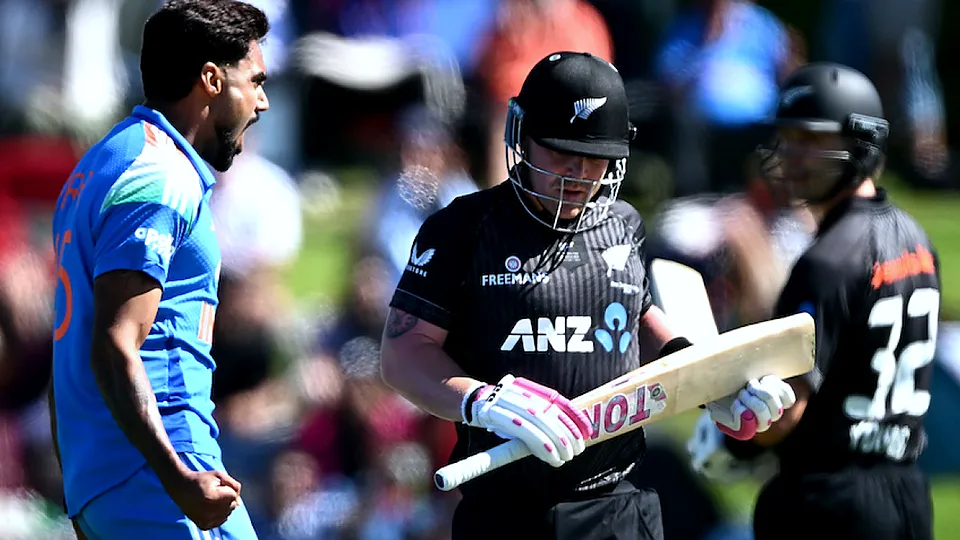
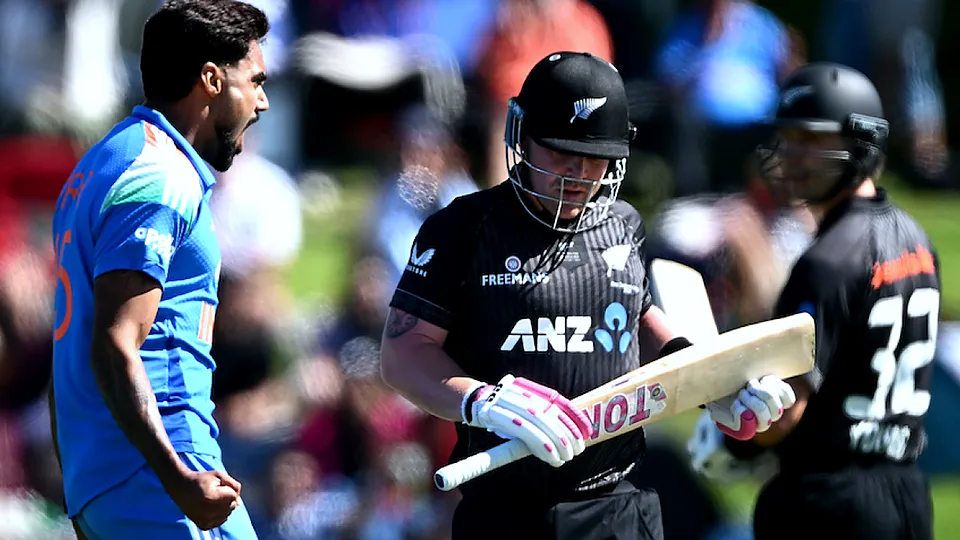
That is where the incident happened. Not a wild swing. Not a late cut. A controlled, measured, slightly arrogant fist pump after Seifert walked back down the pitch. The umpire stopped play. The dressing-room chatter in Jaipur has been loud ever since, mostly about the demerit point Brar received for that aggressive celebration. It feels heavy. It feels unnecessary. And it sits awkwardly next to the actual cricket being played on a sticky red-soil track that refused to release the ball.
The Physics of the 'Aggressive' Celebration
Let us be precise. Brar did not run down the rope. He did not scream at the crowd. He simply turned, made eye contact with the bowler, and punched the air. The new-ball burst had just ended. The skiddy hard length was gone. What replaced it was a sticky, slow surface where bowling into the pitch is suicide. In that context, taking a wicket is not just luck. It is survival. The demerit point, however, ignores the context of the middle-overs choke. When your team is staring down the barrel of a high run-rate target, the emotional pressure is palpable. A small, contained release is not 'aggressive.' It is human.
But the match officials see numbers. They see a rule book. They do not see the 14 hours of travel, the humid air, or the specific way the dew factor after 8:30 PM IST will soon make the ball slippery. The decision to penalize this specific gesture feels like an attempt to control the uncontrollable. It is a micro-management of player psychology.
"The boundary-percentage was down. The strike rate was up. The demerit point changes neither of those."
This is where the Indian sports & gaming digest angle becomes critical. We are no longer just watching cricket. We are analyzing the data points that precede and follow these decisions. Recent analysis from the Tara420 team on player stress indices in the death overs suggests that small, unpenalized emotional outbursts actually correlate with higher focus in the following two overs. Punishing the outburst, theoretically, increases the stress index. It adds a new variable to an already complex equation.
Why the Middle-Overs Choke Keep Happening
The fourth ODI was a masterclass in the middle-overs choke. The new ball was out of play. The surface was turning. The batters were rotating strike, but the bowlers were not. Brar's wicket was the only breakthrough in the final ten overs. That single wicket is what triggered the celebration. It was the release valve. When you strip that release, you risk a blow-up later. Or worse, a flat, emotionless approach to the final ten overs.
The Impact Player gamble is also relevant here. If Brar was on the field as an impact player, the psychological weight of being 'extra' is real. He is not in the standard XI. He is the wildcard. The demerit point now follows him into the next match. It is a cloud. It changes the dressing-room chatter. It changes the selection panel's mind.
- The 12th over was the only breakthrough.
- The surface was sticky, favoring spin.
- The celebration was contained, not wild.
- The demerit point adds a new variable.
Nobody in the dugout bought the official excuse. The officials will say it is about 'respect' and 'sportsmanship.' But on a Runji grind level track, where every ball is a fight, respect is earned by taking the wicket, not by staying silent. The aggressive celebration was a signal. A signal that the bowler is alive. That he is present. That he is not just going through the motions.
As we move into the death, the dew factor will take over. The ball will swing. The batters will get their hits. The middle-overs choke will have broken, one way or another. Brar's demerit point will remain. It will sit in the records. It will sit in the head of every young bowler watching. It will tell them: your emotion is a penalty. Your humanity is a risk. That is a poor message. That is a tactical error. The game is changing. The rules are lagging. And the data shows it.
The new-ball burst did its job. The rest is noise. But noise, in this modern game, is not just sound. It is a signal. It is a data point. And it matters. The Indian sports & gaming digest must reflect this reality. We are not just counting runs. We are counting the cost of emotion. We are tracking the impact of a single, small, penalized moment. It is the new meta. It is the new reality. And it is not pretty.
Related coverage
- Green-top Gambles: India's Bold Omissions for New Zealand Opening Test
- India Sports & Gaming Digest: Squad Shake-Up Signals New Era for ROI Debutants

Updated 2026-11-20 · Instant Rupee Deposits & 60s Withdrawals · 24/7 Support.
Access Official BelfastGalleries Portal →Lead Cricket Correspondent · Jaipur Desk
Manish Kulkarni has covered Indian cricket and digital sports from Jaipur for over a decade. At BelfastGalleries (belfastgalleries.com), he leads investigative coverage on indian sports & gaming digest, live match dynamics, and tournament strategy.
Reader Discussion & Match Reactions (5)4.7★ Community (5 Comments)
Verified Indian cricket reader perspectives & tactical debate on belfastgalleries.com
Let’s not romanticize the 'fist pump.' Brar’s demerit point is actually a necessary check on the new-ball aggression. The board is right to enforce discipline, especially when the surface is sticky and bowling into the pitch is suicide. We can’t allow 'emotional release' to become a tactical excuse for breaking the code.
This article highlights the sticky red-soil track, which is perfect for state league bowlers who struggle against the hard-hitting Ranji finalists. If Brar can survive the dew factor after 8:30 PM, imagine the conditions in the state associate tournaments. The grass-roots level needs this kind of tactical awareness, not just BCCI politics.
The physics section is misleading. A 'controlled' fist punch does not change the NRR or the strike rate. The article ignores the actual run-rate target pressure mentioned earlier. You cannot penalize a gesture when the ball is already slippery due to the 8:30 PM dew factor. The numbers don’t back up the 'aggressive' label; it’s just a standard celebration.
Red-ball purists should be concerned. Penalizing a fist pump on a sticky surface sets a terrible precedent for tactical integrity. If we start disciplining emotional reactions to wickets, where do we draw the line? The article mentions 'survival,' but this demerit point treats a human reaction as a rule violation. It’s a bureaucratic overreach that hurts the game.
@Rajesh_Bhatia You claim the demerit is a necessary check, but the article says the umpire stopped play because it felt 'unnecessary' in context. The 14-hour travel and humid air mentioned make the 'aggression' argument weak. Brar’s gesture was contained, not a rope-run. Ignoring the 8:30 PM dew factor makes this penalty feel arbitrary.