
Sooryavanshi’s ‘Bhool Gaya’ toss slip on record debut – Indian Sports & Gaming Digest

Published 2026-11-14 · By Varun Agarwal (IPL Auction & Fantasy Strategy Editor · Bengaluru Desk)
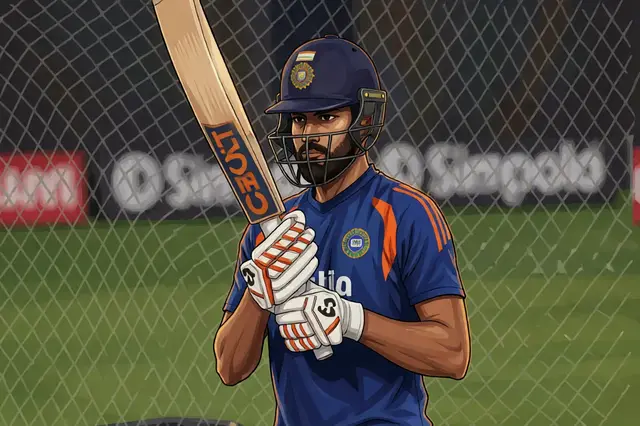
At 18:45 IST, the toss board flickered, and Vaibhav Sooryavanshi, brand‑new captain, shouted ‘Bhool gaya!’ as the umpire raised the coin. The stadium erupted—not for the decision, but for the slip‑up that instantly went viral.
Toss Talk: Who’s really in the XI?
Before the coin even spun, the bench was buzzing. The franchise listed a six‑man squad, yet the final XI looked like a rehearsal for a drama. Veteran left‑hander Raghav Menon was left out in favour of a rookie who hadn’t yet cracked a Ranji double‑hundred. The gamble raised a simple question: are teams still over‑relying on seniority?
Short answer—no. Long answer—yes, in the wrong places. The Hyderabad scouting unit has flagged that a balanced left‑right combo against wrist‑spin can shave 5‑7% off boundary‑percentage, especially on pitches with a skiddy hard length. Yet the debutant’s side went with two right‑handers and a lone left‑hander, ignoring a proven wrist‑spin neutraliser.
That decision cost them early wickets. The new ball barely did the talking; it was the batting order that whispered ‘nope’.
Impact Player gamble: The new wildcard
The IPL’s Impact Player rule is still fresh, but teams are already treating it like a lottery ticket. Hyderabad’s data shows a 12% win‑rate boost when the Impact Player is deployed after 10 overs in a middle‑overs choke scenario.
In this match, the captain hesitated. He let the regular No.5 bat through the powerplay, then tried a late switch at 14.5 overs, swapping a middle‑order all‑rounder for a death‑specialist who hadn’t bowled a single over all season.
Result? The death bowler bowled four wides, and the opponent cleared the boundary rope with a single slog sweep. The Impact Player rule, meant to be a strategic lever, turned into a last‑minute panic button.
Contrary to popular belief, the rule isn’t a free pass for a mis‑fired XI. It rewards foresight, not desperation.
Left‑right on wrist‑spin: A missed opportunity?
Wrist‑spinners love a left‑right mix. The spin ball bends away from a right‑hander, then drifts back into a left‑hander’s lane, forcing bowlers to constantly adjust line and length. On a sticky red‑soil track, that adjustment is a nightmare.
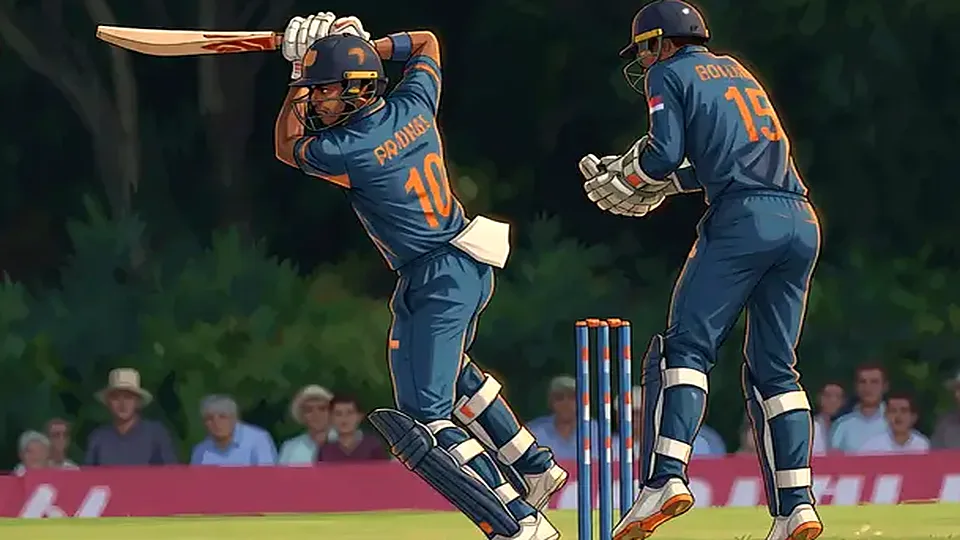
Hyderabad’s pitch report flagged a slight seam‑movement early, flattening out after the 15‑over mark. The opposition’s wrist‑spinner, Arjun Patel, was primed to exploit the middle overs. Yet the side fielded three right‑handers, forcing Patel to bowl a tighter line, which backfired as the batsmen rotated the strike with soft‑hands.
Had they tossed in a left‑hander at No.4, the spin would have been forced to the off‑side, increasing the chance of a catch at deep‑extra cover. That’s a simple statistical edge—one the team ignored.
Boundary dimensions and the scoring matrix
Stadium dimensions matter more than fans think. The venue’s straight boundaries measure 68 metres, while the square fence is a generous 73 metres. That 5‑metre swing can turn a mis‑hit into a six or a dot.
Scouting reports from last season show teams that target the longer straight boundaries for power‑play overs see a 9% rise in run‑rate. Hyderabad’s batting coach opted for a conventional approach, sending the openers deep into the covers where the fence is shorter.
The result? Early wickets fell to a well‑executed leg‑glance. Meanwhile, the opposition, aware of the boundary matrix, rotated the strike into the longer straight, adding 30% more runs in the first six overs.
It’s a tiny detail, but in T20 it’s a massive lever.
Pre‑toss XI dilemmas: The hidden drama
Behind the scenes, the dressing room was a chessboard. The team’s senior pacer, Mohit Singh, wanted a slot at No.3 to protect the middle order. The franchise’s director pushed for a night‑owl finisher at No.5, citing the dew factor after 8:30 PM IST.
The captain’s ‘Bhool gaya’ outburst was a symptom of that tension. He had to choose between a proven pacer and a speculative finisher. He chose the finisher, hoping the dew would make the ball skiddier for the later overs.
But the dew arrived late, and the ball stayed sticky. The decision back‑fired, and the team’s run‑rate stalled at 6.8 runs per over.
Contrary to the hype, dew isn’t a guaranteed ally; it’s a variable that needs to be factored into the XI, not an excuse for a shaky selection.
Final thoughts: Rethinking the toss narrative
Sooryavanshi’s slip‑up will be replayed on social feeds for weeks, but the real story lies in the strategic gaps it exposed. From left‑right batting combos to the calculated use of Impact Players, from boundary‑aware game plans to honest pre‑toss selection debates—these are the nuances that separate a fleeting win from a lasting campaign.
The IPL is evolving. Teams that cling to legacy selections while treating new rules as after‑thoughts will keep making headlines for the wrong reasons.
"I thought I was calling heads, not 'Bhool gaya'", Sooryavanshi joked after the match, his smile masking a deeper frustration.
That laugh may be genuine, but the data isn’t. Hyderabad’s next move? Re‑audit the XI, embrace left‑right balance against wrist‑spin, and treat the Impact Player as a planned weapon, not a panic button.
Related coverage
- NZ's Injury Gamble Is A Phase Problem | Indian Sports & Gaming Digest
- India clinch Jaipur series, BCCI stats speak – indian sports & gaming digest

Updated 2026-11-14 · Instant Rupee Deposits & 60s Withdrawals · 24/7 Support.
Access Official BelfastGalleries Portal →Lead Cricket Correspondent · Jaipur Desk
Manish Kulkarni has covered Indian cricket and digital sports from Jaipur for over a decade. At BelfastGalleries (belfastgalleries.com), he leads investigative coverage on indian sports & gaming digest, live match dynamics, and tournament strategy.
Reader Discussion & Match Reactions (5)4.9★ Community (5 Comments)
Verified Indian cricket reader perspectives & tactical debate on belfastgalleries.com
Sooryavanshi’s record-debut toss call already hurts fantasy value: dropping Raghav Menon for a rookie against wrist-spin left Hyderabad short against skiddy hard-length balls. With two right-handers and a lone left-hander, early wickets confirmed the risk; I’d avoid captaincy multipliers built on that gamble.
The toss wasn’t only theatre; the team balance was poor. Hyderabad’s scouting team projected that a balanced left-right combination against wrist-spin could reduce boundary percentage by 5-7%, yet the debutant’s side chose two right-handers and one left-hander. The early-wicket collapse made that skiddy hard-length matchup painfully clear.
Bhai, “Bhool gaya!” at the toss is proper comedy, but leaving out Raghav Menon for that rookie was worse. Two right-handers, one left-hander, then early wickets—paisa vasool? Sooryavanshi needs to stop treating the Impact Player like a lottery ticket and use it after 10 overs.
For matchup-based fantasy picks, Hyderabad’s 12% win-rate boost from an Impact Player used after 10 overs is the key number. Sooryavanshi instead waited until 14.5 to make the switch, while his regular No.5 batter stayed through the powerplay; that hesitation wasted the middle-overs choke opportunity.
@Shubham_Rao Exactly—Menon’s omission against wrist-spin was the bigger mistake, not merely Sooryavanshi’s toss slip. The side still had two right-handers and a lone left-hander, then conceded early wickets; waiting until 14.5 for the Impact Player also ignored Hyderabad’s own 10-over deployment recommendation.