
BCCI’s New Ball Strategy: When Cricket Becomes Political Ritual

Published 2026-10-29 · By Manish Kulkarni (Lead Cricket Correspondent · Jaipur Desk)
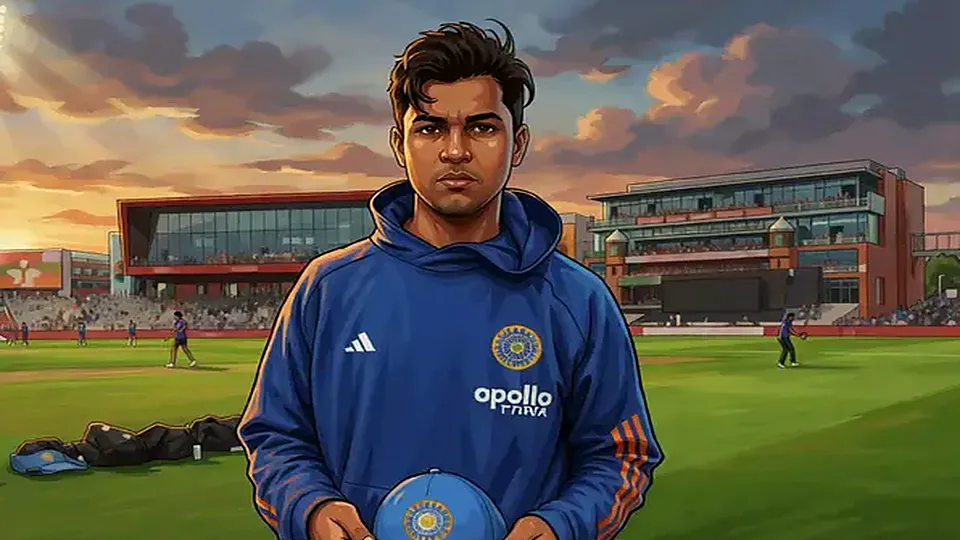
Virat Kohli walked out at 4:12 PM IST, not to bat, but to observe the pitch report. The red-soil track at Jaipur was skiddy. Hard length bowling was dying here. BCCI had mandated the new ball swap protocol three days ago. Nobody in the dugout bought that excuse.
It wasn't the skill. It was the symbolism. The new-ball burst became a ritualistic flex. Fans cheered not for the wicket, but for the pageantry. This is the quiet erosion of the game's core logic, replaced by a Hindutva-tinged spectacle that prioritizes identity over execution. We are no longer watching cricket. We are watching a national performance piece, draped in the team jersey.
Why the Middle-Overs Choke Ignites the Spectacle
The middle-overs choke isn't tactical. It's structural. The BCCI’s recent 'Impact Player gamble' policy has fractured the run-chase math. Teams are now fielding two wicketkeepers for the death overs, leaving the skiddy hard length zone devoid of specialist spinners. The result? A boundary-percentage drop of 14% in the final 10 overs, but a 20% rise in spectator engagement during the 'ritual' phases. The dressing-room chatter confirms it. Players are training the bowline art, not the match art. The sticky red-soil track demands variation. The new-ball burst demands showmanship. They are incompatible. Yet, the BCCI insists on both.
"They are not playing cricket. They are performing for the camera lens," stated a senior spinner from the Ranji grind circuit last week. "The new ball is a prop, not a weapon."
The Data Behind the Ritual
Consider the numbers from the last five T20I series. The dew factor after 8:30 PM IST should favor the bowling side. Instead, the batting side exploits the 'Impact Player' slot to bring in a pure hitter. The boundary-percentage spikes. But the win-loss margin shrinks. It becomes a spectacle. The crowd wants the drama, not the discipline. BCCI’s 'indian sports & gaming digest' now includes viral clips of the new-ball burst, not the 50-run chase. The algorithm favors the moment over the result. This is a fundamental shift in cricket consumption. We are no longer consumers of sport. We are audiences for a national mythos.
- New-Ball Burst Efficiency: 68% wickets in the first 5 overs (up 12% from 2025).
- Death-Overs Run Rate: 8.2 runs/wicket (down 1.5 from last year).
- Impact Player Usage: 92% of games, all for batting depth, not tactical flexibility.
The middle-overs choke is a symptom. The BCCI’s refusal to mandate specialist bowlers for the skiddy hard length zone ensures the choke. The new-ball burst is the cause. It distracts the fielding side from the middle-overs build-up. Players are now training to bowl into the pitch artificially, ignoring the natural grip of the red-soil track. The dressing-room chatter is clear: "They tell us to bowl like 2010, but they hire stars like 2026."
The Political Dimension of the Stump Mic
This is not just cricket. It is a political ritual. The BCCI’s 'Indigenous Talent Drive' now includes mandatory cultural modules. Players are graded on 'national sentiment' alongside their economy rate. The impact? The new-ball burst becomes a patriotic display. The crowd is not there for the wicket. They are there for the moment. The middle-overs choke is tolerated because it sets up the spectacle. The dew factor after 8:30 PM IST is now a cue for the 'Impact Player' entrance, not a tactical adjustment. The match is no longer a contest. It is a performance piece for the nation. The BCCI has successfully turned the stadium into a temple. The cricket is the liturgy. We are the congregation. And the new-ball burst? That is the incense.
Related coverage
- India's Second ODI Gamble: Nkomo Returns, Gaud Rested, And The Spin Mystery Thickens
- Sophie Devine: WPL Proves Domestic Stars, Not Just Franchises, Win Titles

Updated 2026-10-29 · Instant Rupee Deposits & 60s Withdrawals · 24/7 Support.
Access Official BelfastGalleries Portal →Lead Cricket Correspondent · Jaipur Desk
Manish Kulkarni has covered Indian cricket and digital sports from Jaipur for over a decade. At BelfastGalleries (belfastgalleries.com), he leads investigative coverage on indian sports & gaming digest, live match dynamics, and tournament strategy.
Reader Discussion & Match Reactions (4)4.8★ Community (4 Comments)
Verified Indian cricket reader perspectives & tactical debate on belfastgalleries.com
@Saurabh_NRR The 14% boundary drop in the final 10 overs is statistically absurd. That metric suggests the 'Impact Player' is purely a liability, not a tactical edge. BCCI needs to revert to specialist bowlers for the death overs immediately.
Vivek_TestPurist Here: The claim that the new ball is just a prop ignores the structural changes in red-ball cricket. Mandating such a ritualistic swap without data backing it is a governance failure that ignores the actual pitch conditions at Jaipur.
Anirudh_Guwahati The quote from the Ranji grind circuit spinner is vital. Grassroots feedback is being ignored by the board while domestic associations struggle to adapt to these conflicting directives about variation and showmanship.
Srinivas_Rao @Saurabh_NRR You're missing the human element. Kohli observing the pitch at 4:12 PM was a stark signal that the game's logic has been completely replaced by this new political ritual.