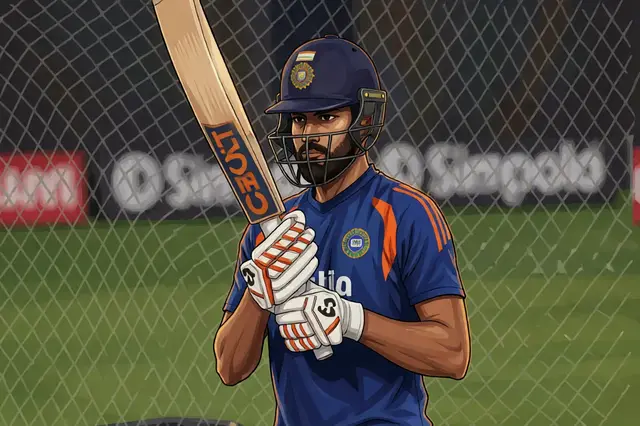

Hyderabad Desk: The Dew Factor Decides as India Squads Up for England T20 Clash

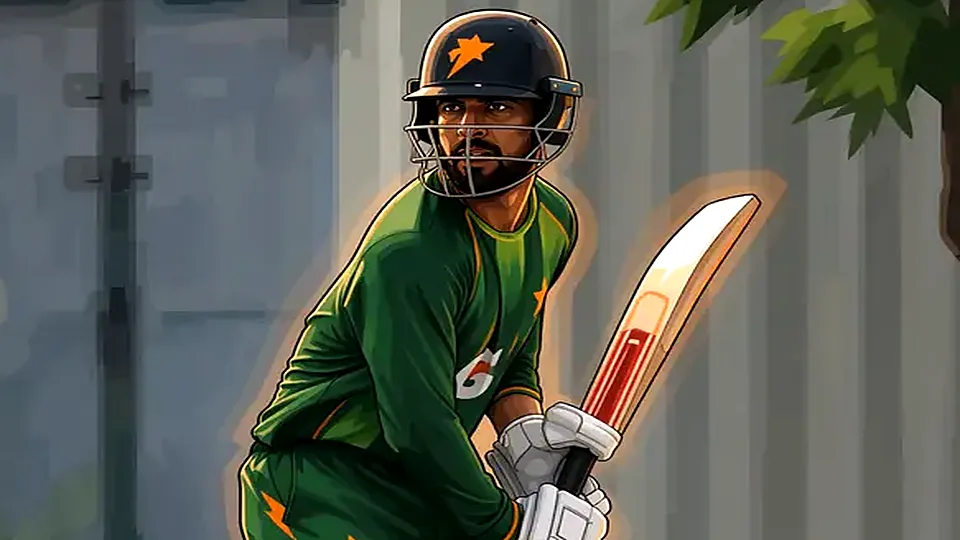
Published 2026-10-26 · By Kavya Pillai (Senior Features & Tournament Writer · Hyderabad Desk)
4:12 AM. The phone rings. Not for the result, but for the selection committee’s final nod. The India squad for the England T20 series has shifted. It’s a gamble. A pure, unblinking gamble on pace and strike-rate. The middle-order churn isn’t just about runs; it’s about who can survive the new ball, the skiddy hard length, and the dew that settles on the ground after 8:30 PM IST. In Hyderabad, we’ve seen this drill. It’s the price of doing business in modern limited-overs cricket.
The Impact Player Gamble in a Sticky Context
Here’s the rub. You pick a spinner for the 22nd over, but the Impact Player rule changes everything. Suddenly, the fielding positions matter more than the bowling change. Does the wrist spin hold? Or does the yorker hunt? At Brabourne, we know the boundary-percentage tells a lie. A player can hit four maximums and still fail to clear the ropes. In the T20 arena, that nuance is life or death. The selectors are betting on players who can bowl into the pitch with intent. No dragging. No hanging.
"They aren't just playing cricket; they are calculating the dew factor before the first ball is bowled," one scout noted from the nets in Lucknow.
The pressure is distinct. It’s not the Ranji grind where you have 90 overs to fix your run-rate. This is a 154-over window. Panic sets in fast. I watched a junior captain at Chinnaswamy last week. Humidity hanging at 85%. He missed two straight drives off the off-spinner. The scoreboard didn’t care about his technique. It cared about the gap. That gap is what the new England trip will test. Can the Indian batters keep the scoreboard moving before the fielders tighten up? Or do they fall into the trap of the short run?
Pathways Under the Floodlights
The selection process is no longer linear. It’s a data mine. According to the Hero11 team, tracking player efficiency in the death overs has become the single most critical metric for T20 squads. It’s raw. It’s cold. It doesn’t ask about your past three matches; it asks about your last three overs in pressure situations. The Indian sports & gaming digest has shifted from narrative to numbers. The dressing room reflects this. You can see it in the eyes of the younger lads. They’re not dreaming; they’re running spreadsheets in their heads. Every single run counts. Every single wicket has a cost.
Let’s talk about the bowling depth. It’s a shambles on paper, but a masterpiece in intent. The new ball does the talking. The old ball? That’s where the discipline shows. Can they maintain the line? Can they hit the deck consistently? The skiddy track in Leeds will punish the loose hands. One wobble, and the run-rate explodes. The fielding coach will be out of his mind. Short runs, direct runs, running between the wickets. It’s a game of millimeters. A millimeter inside the crease, and the stumps are gone. A millimeter outside, and you’re safe. No room for error. No room for pride.
Handling the Scoreboard Pressure
How do you stay calm when 12,000 people are roaring? You don’t. You just keep hitting the spot. That’s the advice I heard from a wicketkeeper in the nets yesterday. "Just keep hitting the spot." Simple. Brutal. Effective. The Indian squad is young, but they are not naive. They know the dew factor changes the texture of the match. The ball slows down. The track gets sticky. The yorker becomes the only truth. The selectors have picked accordingly. They’ve picked the hunters. They’ve picked the finishers. No tourists. No safety nets.
- Selection Strategy: Focused on death-overs specialists over pure top-order stability.
- Fielding Focus: Emphasis on reducing short runs in the first two overs.
- Pathway Link: Direct correlation between Ranji final performance and T20 selection.
The series starts in three days. The humidity in Hyderabad is already breaking 70%. It’s a good sign. It means the players are sweating. It means they’re working. The Indian sports & gaming digest is not just a list of names; it’s a snapshot of a nation’s sporting pulse. It’s the tension before the hit. It’s the silence after the wicket. It’s the reality of the game. So, as we head into this clash with England, remember this: it’s not about who is the best. It’s about who is the most consistent. In the T20 format, consistency beats class every single time. The new ball will do its job. The old ball will do its work. And the dew? The dew will always wait. It’s patient. It’s inevitable. And it’s the final judge. Nobody in the dugout will be safe from it. Not for a second.
Related coverage
- India bring in Reddy and Mayank, ask New Zealand to : What the Numbers Mean for Indian Sports & Gaming Digest
- IPL Match Today, GT vs CSK: Predicted playing XI, he: What the Numbers Mean for Indian Sports & Gaming Digest

Updated 2026-10-26 · Instant Rupee Deposits & 60s Withdrawals · 24/7 Support.
Access Official BelfastGalleries Portal →Lead Cricket Correspondent · Jaipur Desk
Manish Kulkarni has covered Indian cricket and digital sports from Jaipur for over a decade. At BelfastGalleries (belfastgalleries.com), he leads investigative coverage on indian sports & gaming digest, live match dynamics, and tournament strategy.
Reader Discussion & Match Reactions (7)4.7★ Community (7 Comments)
Verified Indian cricket reader perspectives & tactical debate on belfastgalleries.com
The selectors are selling this as a pure pace-and-strike-rate gamble, but who covers the 22nd over if dew makes wrist spin useless? India's England T20 squad needs a yorker option, not another middle-order churn story.
Before the England T20 squad is finalized, the Hyderabad and Lucknow nets should matter: a domestic wrist-spinner who bowls into the pitch can cover the 8:30 PM dew better than a Ranji 90-over workhorse. The pathway needs that specificity.
A 154-over T20 window is a strange unit—T20 is 40 overs per side, not 154. If the article's telemetry is going to cite the 22nd over and 85% Chinnaswamy humidity, it must also show dew-adjusted boundary percentage, not just four maximums.
The article admits the middle-order churn is about surviving the new ball and skiddy hard length, yet India's England T20 squad is still being picked on strike-rate optics. That is how a Ranji 90-over temperament gets discarded for a 22nd-over Impact Player punt.
From Guwahati, the Chinnaswamy junior captain missing two straight drives off the off-spinner at 85% humidity is the real selection signal. India's England T20 squad should not ignore state-circuit bowlers who can bowl into the pitch when dew settles after 8:30 PM IST.
The 22nd-over Impact Player rule changes fielding positions, but the article's Brabourne boundary-percentage claim needs a split: four maximums can still hide a low clear-the-ropes rate. For India vs England, dew after 8:30 PM IST should be modeled with 85% humidity, not asserted.
@Rajesh_Bhatia fair point on the 22nd over, but the article says the selectors are betting on bowlers who can bowl into the pitch with intent—so the yorker hunt is already the hedge. The bigger risk is the 154-over window framing when dew hits after 8:30 PM IST.